As many people are not entirely unfamiliar with the famous practices of Vodou (sometimes seen spelled as voodoo, vudu or vodoun) and brujeria, I thought it would be best to have a designated page for these paths that can be found in the African-American communities and commonly found in the Latino community. These are the faiths and practices I am familiar with and would love to share with everyone as I have worked with these beings for quite sometime.
Please read a brief overview of the religions written below before continuing on the page!

The origins of Vodou & Vudu (Voodoo) stems mainly from the west coast and some central parts of Africa. When the beginnings of the slave trade commenced in the 15th century, many of the Africans had brought their traditions to the Americas and upheld their culture and beliefs despite the varying amounts of horrific oppression they had experienced. The practice as well as the faith were passed on through oral traditions. Generations and generations of enslaved Africans had ensured their religions were taught despite fears of repercussions as well as terrifying retaliations from their European captors. Haiti achieved its freedom from the French earlier than the Dominican Republic over the Spaniards and the two countries are among the greatest survivors of the worst periods in history.
In the passing times the religions began to alter and to an extent, they began to expand as the years continued on. There are differences between Haitian Vodou and Dominican Vudu despite the primary countries sharing an island together. The religions was hidden behind Catholicism to ensure its survival but in Haitian Vodou, the actual faith is more visible and open than 21 Divisions (Dominican Vudu). As the Europeans and Africans had come into contact with the indigenous peoples of the land (mainly the Taínos, Arawaks and other tribes later on), the Latino community as we know it today had been born with many who know of Vodou and/or Vudu. There are still plenty who practice the faith and there should be no prejudice expressed by anyone towards these religions.
The traditions had been carried throughout the Caribbean, throughout the Americas and are still practiced in the modern era in various parts of the world. While many in the spirituality community are familiar with Hatian Vodou and the derived religion of Louisiana Voodoo, there are many faiths that been created from the West African Diaspora genesis. From Santeria to the closely associated Dominican Vudu to Brazilian Vodou and many more, the West African gods as well as powerful spirits are alive and well!

The central figure of Hatian Vodou and Dominican Vudu (Voodoo) is the Papa Bondye (Dominican) Bondye, Gran Maitre (Hatian) which one would equate to as the Creator. All else are known as the Lwa or Loa, depending on the tradition. Lwas are a line of powerful spirits (whom I refer to as gods or godheads who make up the face of the Bondye) who preside over a family of spirits. These family of spirits are apart of what is called a Gede (pronounced jeh-deh). The Lwa act as the intermediary between humanity and the Bondye. In Dominican Vudu you will come across the term divisions which in theory houses all of the Gedes when compared to Hatian Vodou. Dominican Vudu can also be called Dominican Santeria or Los Misterios.
Formal practitioners of these faiths have gone through initiations of these traditional closed religions. In Haitian Vodou, those who progress within the practices required for initiation and dedication are called Mambos (high priestess) and Oungan or Hougan (priest) upon completing the necessary study. Practitioners are called in Vodouisants or Serviteurs. In Dominican Vudu practitioners are called Caballos (Horses), Brujos (Witches) or Servidores (Servants). A high priestess is called a Mama Mambo and a High Priest is called a Papa Boko. With a focus on ancestor veneration and teachings in relation to healing, creation and the afterlife, all aspects of these faiths are within great beauty. These faiths are far from shy in touching all forms of reality. The practice hoodoo is commonly associated with these religions but it is not entirely exclusive to these faiths. Hoodoo is very similar to the European style of witchcraft and when taught correspondence from either or, spell work and ritual work can be easily understood by all practitioners with little assistance.
Here are some of the popular figures in Haitian Vodou and Dominican Vudu as I had to include both faiths to really capture my overall love and study for these paths. I believe it can assist in understanding and identifying these paths especially if anyone is interested in learning the differences, studying for education or becoming a servidor.

It is important to remember that while these two paths share a lot in common, they are still treated as two different paths and it should be honored. Make no qualms, the energies associated with every being can be incredibly similar, one would think they are the exactly the same. I try often to make the distinction when working with these forces. Also, if there are any questions pertaining to the path of Santeria (Cuban), please don’t hesitate to ask!
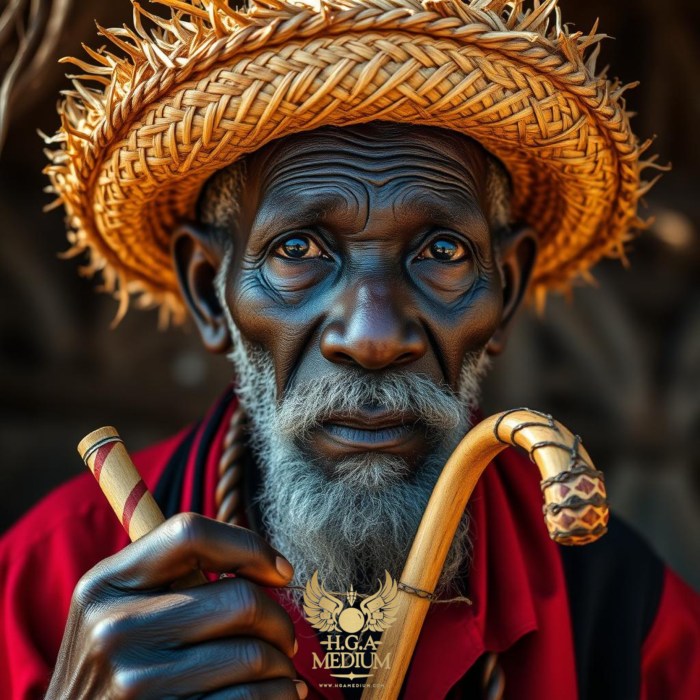
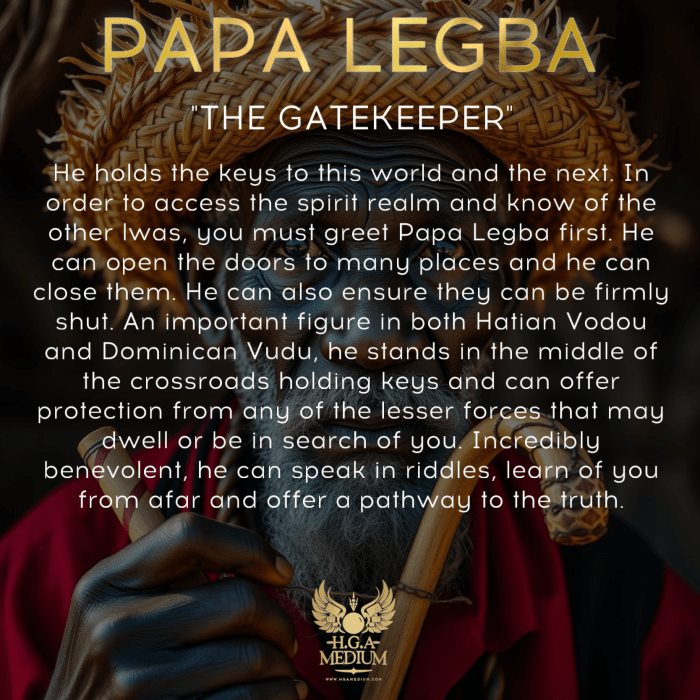
Papa Legba’s role is Vodou & Vudu is almost exact with minor differences. Depicted above is Papa Legba in Vudu! 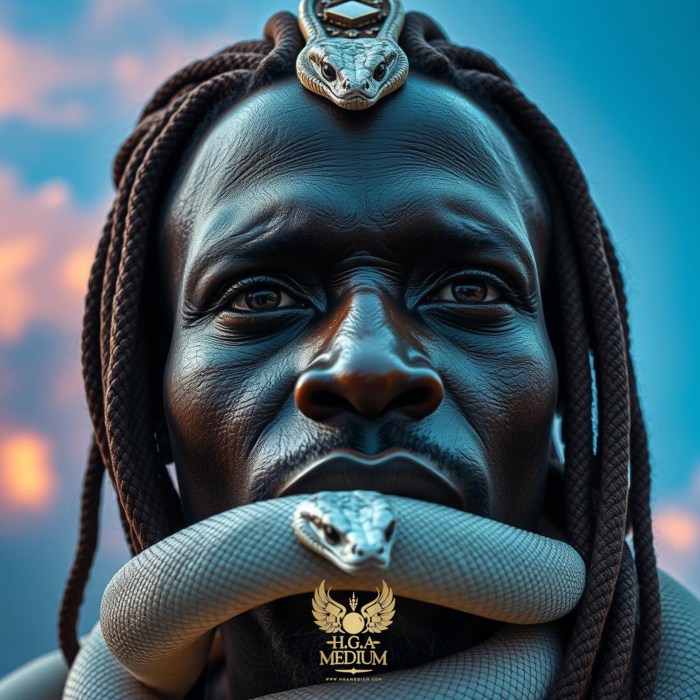
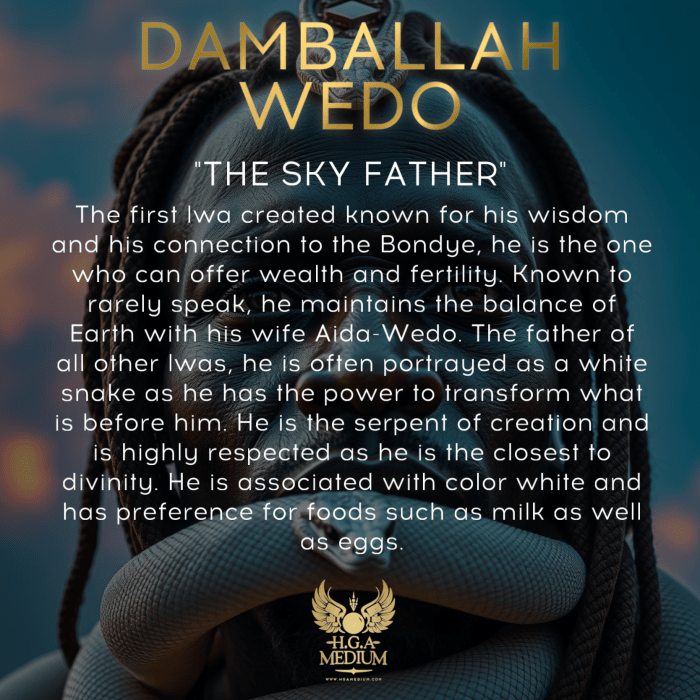
Featured predominantly in Vodou, Damballa Wedo is traditionally depicted as just a white snake or white snake with a rainbow. It is his union with Aiyda Wedo in which the rainbow represents when seen depicted with the serpent. In Vudu there is another path (Misterio) with General Danbala. 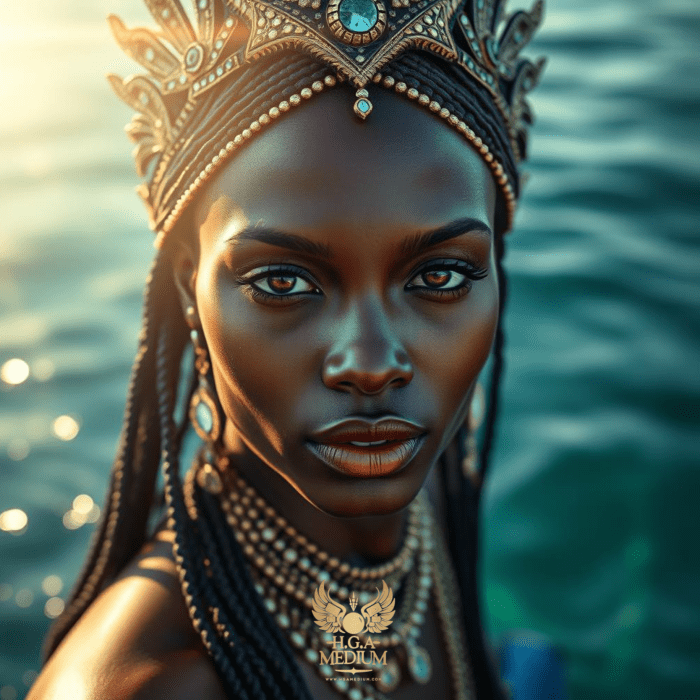
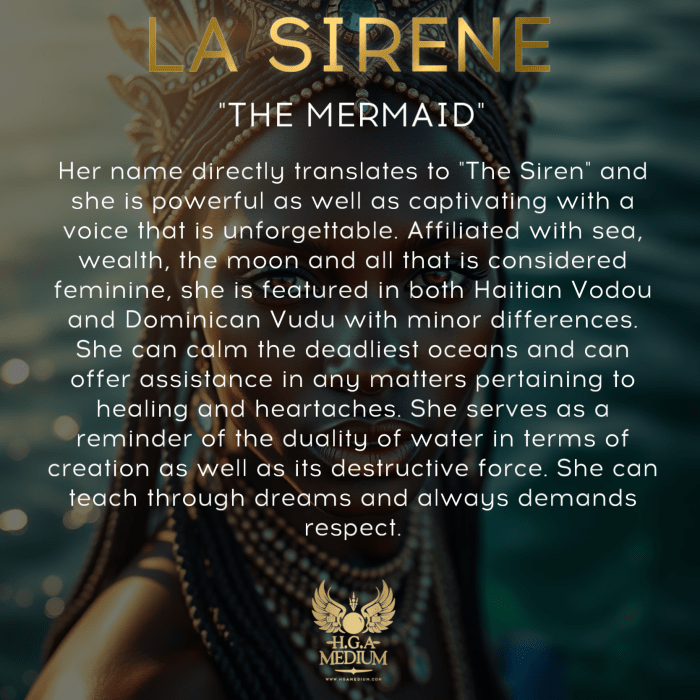
In Vodou, La Sirene has a connection with another lwa known as Mami Wata. 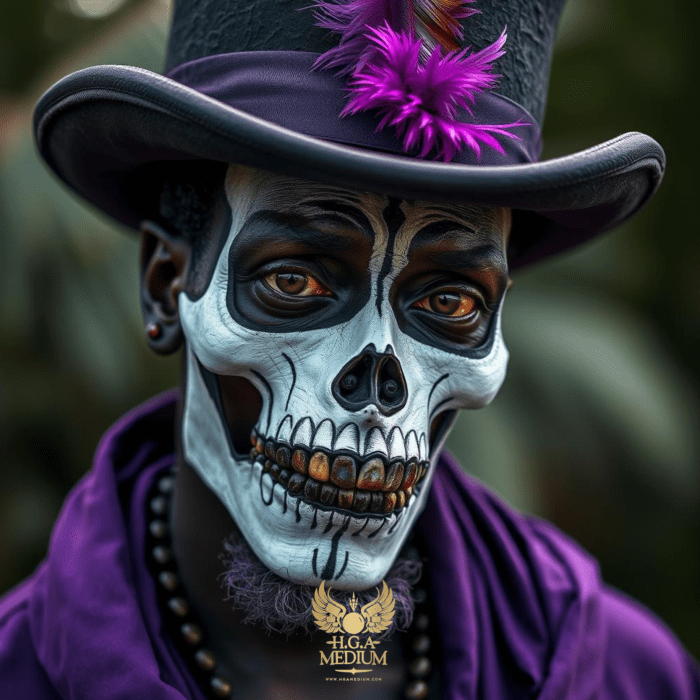
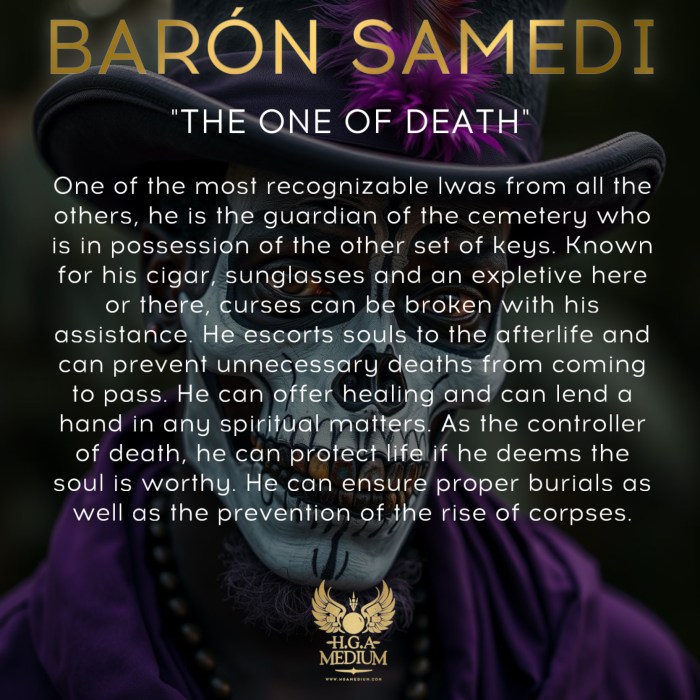
One of the most famous lwas in Vodou depicted without his sunglasses, in Vudu you will Baron De Cemetario who visits the servidores as a floating skull. I have perceived the Baron de Cemetario and have worked with Baron Samedi. While their energies are interpreted as very similar, I treat them separately when in discussions and in communications. 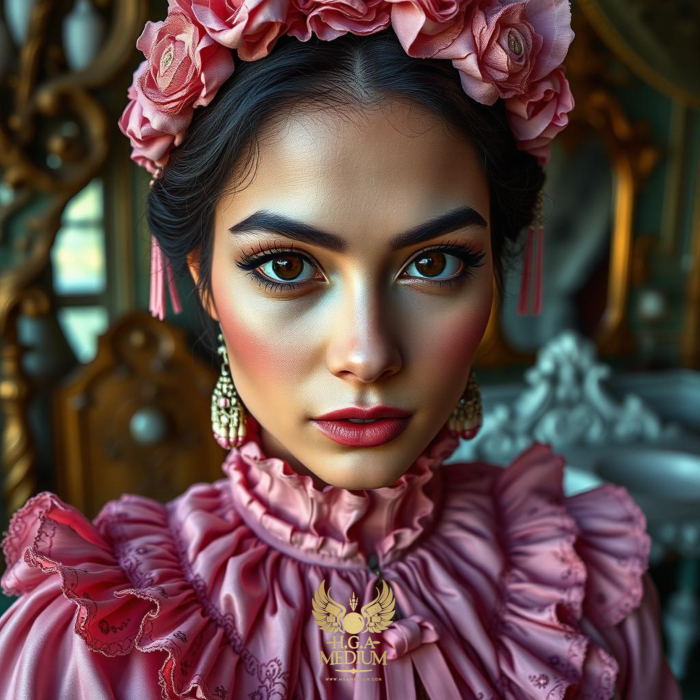
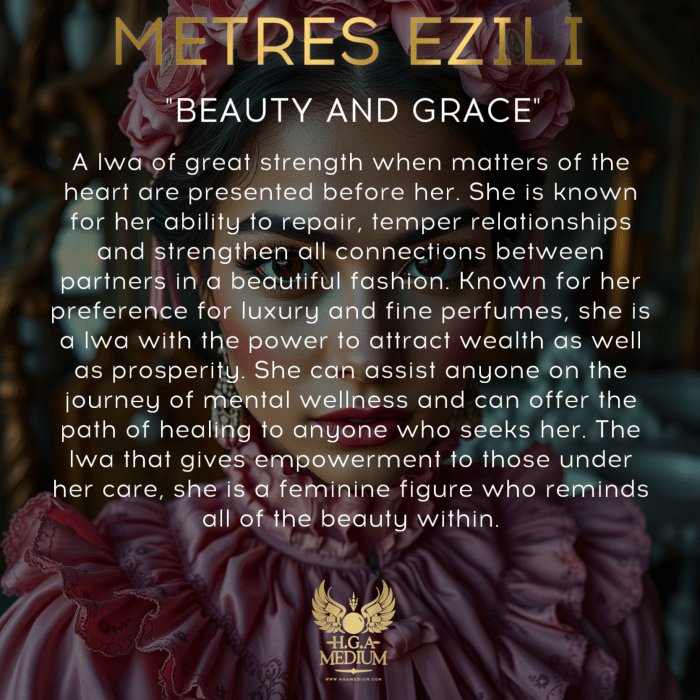
A popular figure in Vudu, you can find her Vodou counterpart with a similar name! Metres Ezili Freda Dahomey in Vodou shares similar attributes to this lwa! 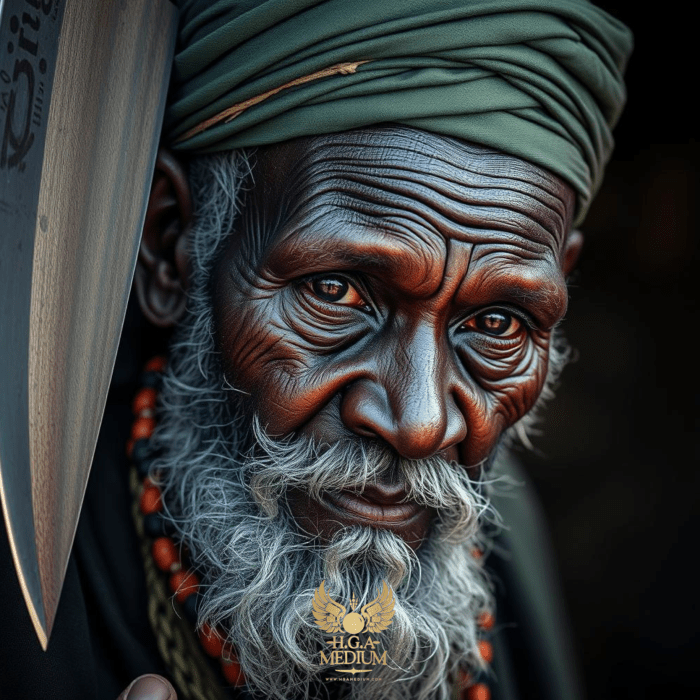
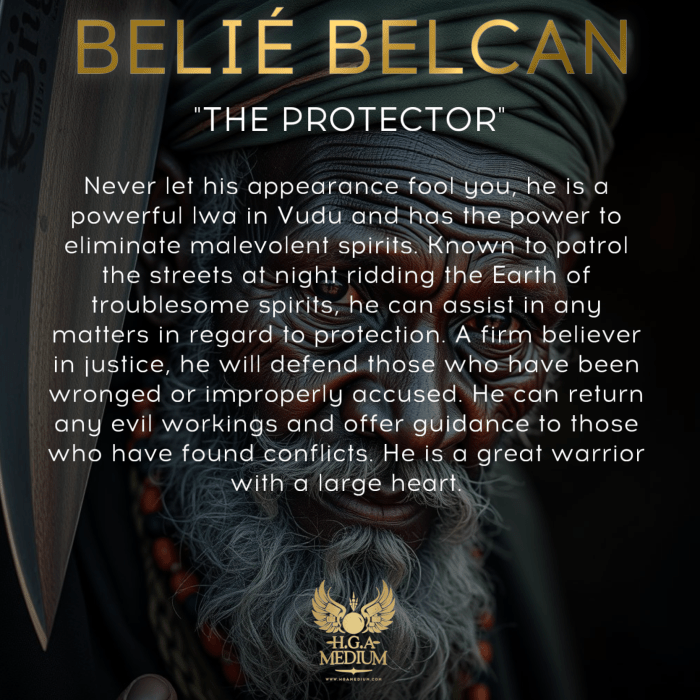
Only found in Vudu, this lwa is also a representative of truth and justice. Belié Belcan is syncretized with Archangel Michael and compared to him in discussions in regard to his role within Vudu! He can appear as a Latin (lighter skin tone than seen depicted in my rendition) elderly man or an African elderly man. 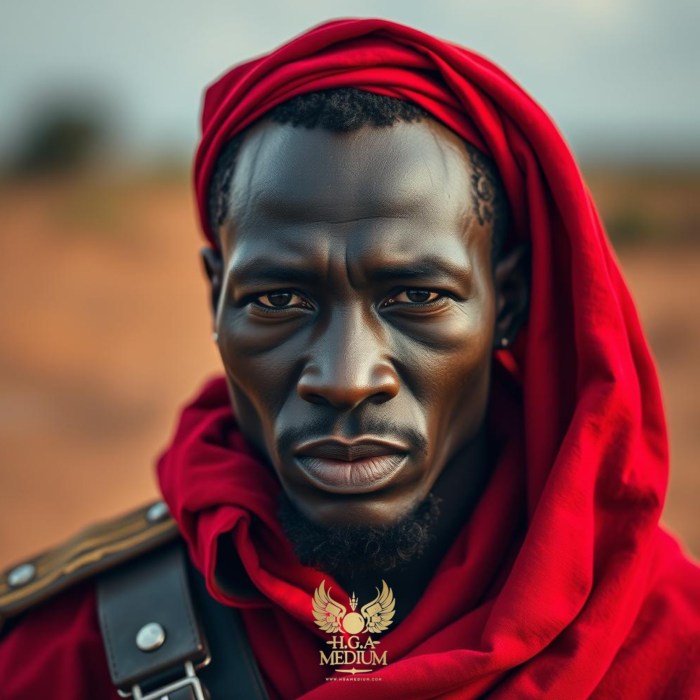
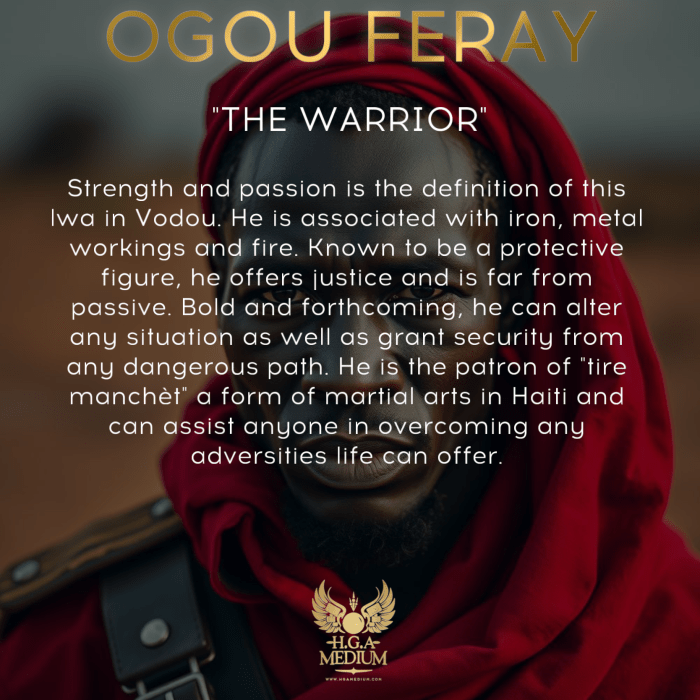
Associated with color blue just as much as the color red, this lwa is syncretized with St. James (Santiago Matamoros). There are many manifestations of Ogou and they are known as well. Here are some of their names Ogou Batala, Ogou Je Wouj (red eyes) and more. He is also found in Vudu with some differences and is syncretized with St. George. 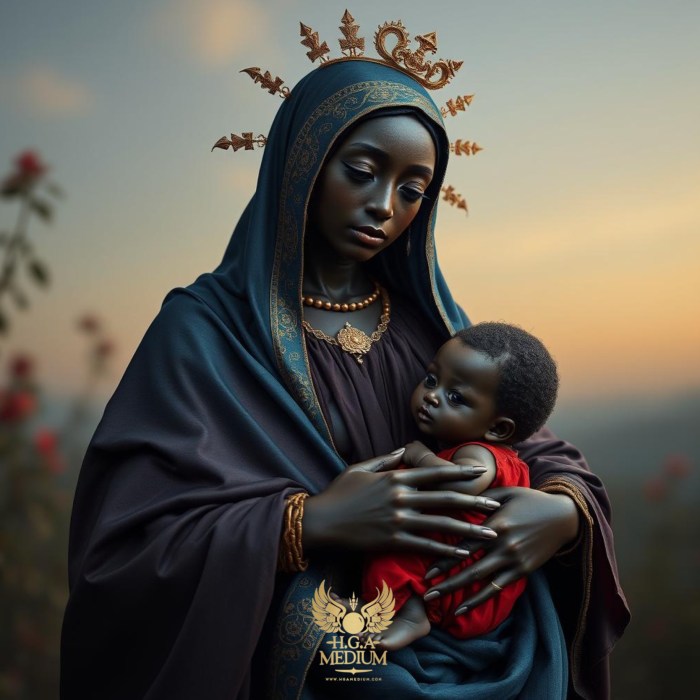
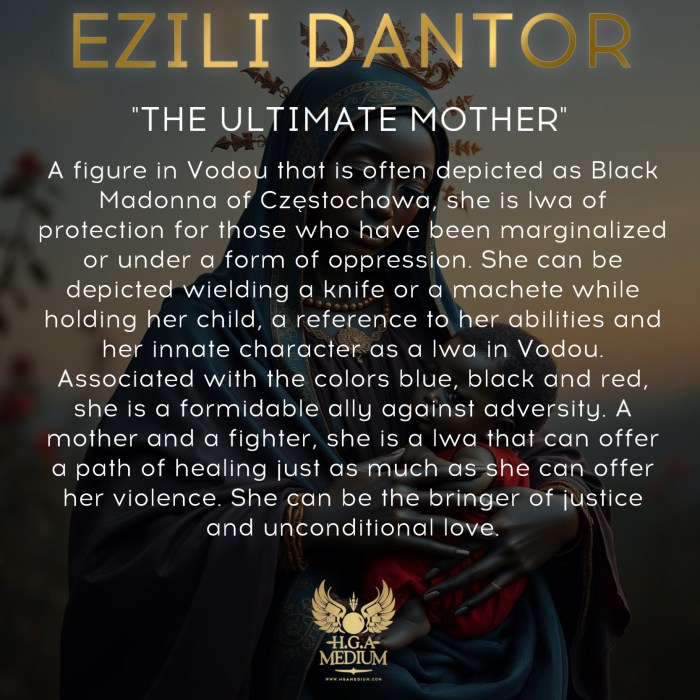
The role of Ezili Dantor is expressed in Vudu by Zili Dantor. Very similar in terms of the role and functions.
As you already know, many of the Lwa were syncretized with the Catholic Saints. Here are a couple of links providing information as well as information in regard to their beautiful and well known veves (seals)!
https://lwaandorder.com
https://originalbotanica.com/blog/using-vodou-veves-sacred-haitian-symbols-lwa?srsltid=AfmBOop0omt-6cw5qkjcJBI3mRGwItRoVQf8qizf7qP1-py0KBC7gntK
https://en.wikipedia.org/wiki/Dominican_Vudú
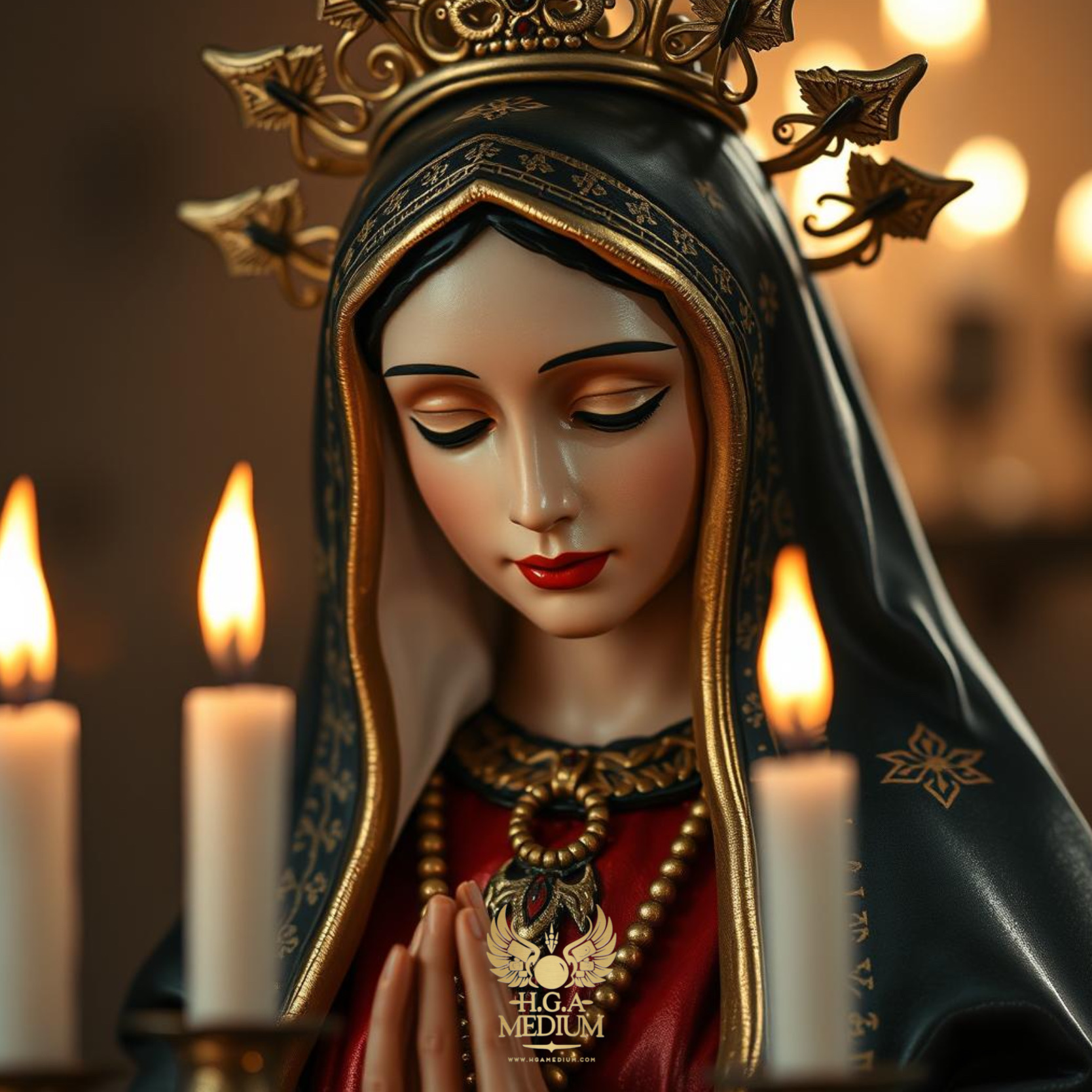
The most often seen depicted form of the craft stemming from Latin America and the Caribbeans is Brujeria. If you are immersed in the Latino community or are Latin yourself, seeing saints in a home or local places of gathering is customary within the community. Brujeria can be considered to be practiced by members of the African-American community (predominantly African descendant countries too) as well as those who are Christian Wiccans or Catholic Wiccans. You may come across workings following the style of hoodoo and/or workings traditionally adhering to all forms of correspondence from European practices.
Keep in mind, not every member of these communities are practitioners by simply having statues of saints in their homes. From my experience, while citing history, many identify themselves as Catholics or Christians regardless if they are practitioners or not. It is best to separate religion from workings/practices in conversations pertaining to Brujeria. Never assume everyone in the aforementioned communities are all witches or brujos. While worshiping or praying to saints up to or including to Christ can be considered to be acts of witchcraft, no one would generally believe prayer to be a magical act though many believe in the power of prayer. The term Santeria can be seen and used to describe those who only worship and work with the Catholic saints as opposed to only thinking of Santeria the primarily West-African derived faith. In Brujería you can come across popular figures such as the archangels as well as Christ for the archangels mentioned in earlier Judeo-Christian text and were given the titles of saints. Christ is the central figure of Christianity and there are prayers and workings associated with him. The most familiar form of Brujería is Mexican Brujeria.
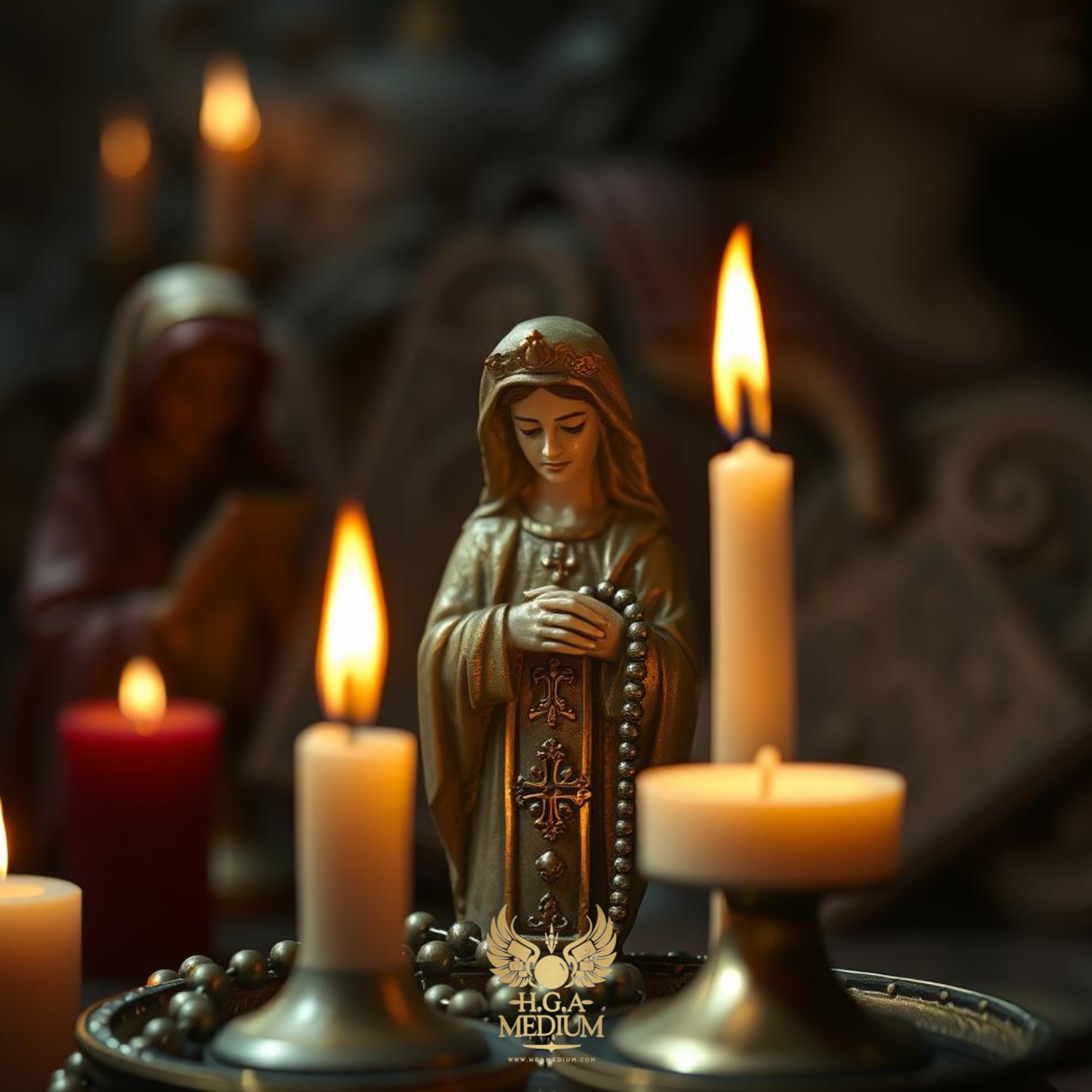
Brujeria incorporates the faith of Catholicism with workings that many would called rituals or rituales to manifest different outcomes for the practitioner. You may believe a large aspect of brujeria also includes spell work as prayer is spoken word with intention, that is not to say spells cannot be crafted within the practice or format/tradition of brujeria. In Latin countries a large portion of the people still speak Spanish (as usually it is the national language for most countries but not all) despite English being learned dominantly throughout the world as a second language. Keep in mind, in brujeria there are certain elements that are exclusively from the Latin regions.
There a lot of the items crafted or manufactured for brujeria that include prayer books, physical items and general literature. These elements that are tied to the practice are in Spanish but they do not heavily deviate from the what some practitioners of other traditions may be accustomed to. A good portion of the prayers and many items have translations in English, so do not worry if you have difficulties speaking or understand the Spanish language. Here are some items you may have seen or know of that can be found at a botánica (religious goods store) or a metaphysical shop.
Fixed (prepared) candles are incredibly popular and one of the most famous fixed candles is the Abre Camino candle which translates to road opener. Rompe Bloqueo translates to block buster, Gran Poder translates to great power (power of God) and Contra Danio (counteract harm) are very common also just to name a few here on this page. The workings of any form of Brujería is easy to understand and to utilize with minimal instruction. The fixed candles are regularly sold can also have ties to the other faiths such as the candle known as the Siete Potencias or Siete Potencias de Africa which translates to the 7 African Powers.
Another aspect of brujería is the use of washes and colognes such as the famous Agua Florida (Florida Water), Contra Envidia (Counteract Envy), Siete Gotas De Suerte (7 Drops Of Good Luck) and many more. These items can assist in any working or ritual. The most often used word for a spiritual working is hechizo (Mexican), trabajo espiritual (direct translation of spiritual working). For spells you may find the word hechizo once more or you’ll come across the term encanto or encantamento which would translate as enchantment as well. For spiritual cleanings the term in Spanish is limpieza which traditionally involves washes and sacred smoke (incenses & herb bundles).

To bring the focus to Mexican brujeria, as you know many work with saints like the very recognized Virgen De Guadalupe (Our Lady Guadalupe) and St. Michael (through out Latin America as well), Mexicans have their own additions to the long line saints. They are known as Mexican folk saints and can be found in the homes of many brujos and brujas of different ethnicities throughout the Americas as well as Europe. They can even be found in distant parts of the world. Please keep in mind, they are not apart of Catholicism the religion however, they are treated with the same respect. You may come across the term of Folk Catholicism when performing research which is apart of the cultures of many Latin and African (African descendant countries too) lives. You can encounter the lwa, the orishas and many other figures of other faiths treated in the same fashion as the saints (syncretism or intentional purpose). Some of these folk saints you may have seen or have heard of are Jesús Malverde (angel of the poor), Juan Soldido, El Niño Fidencio and Santa Muerte.

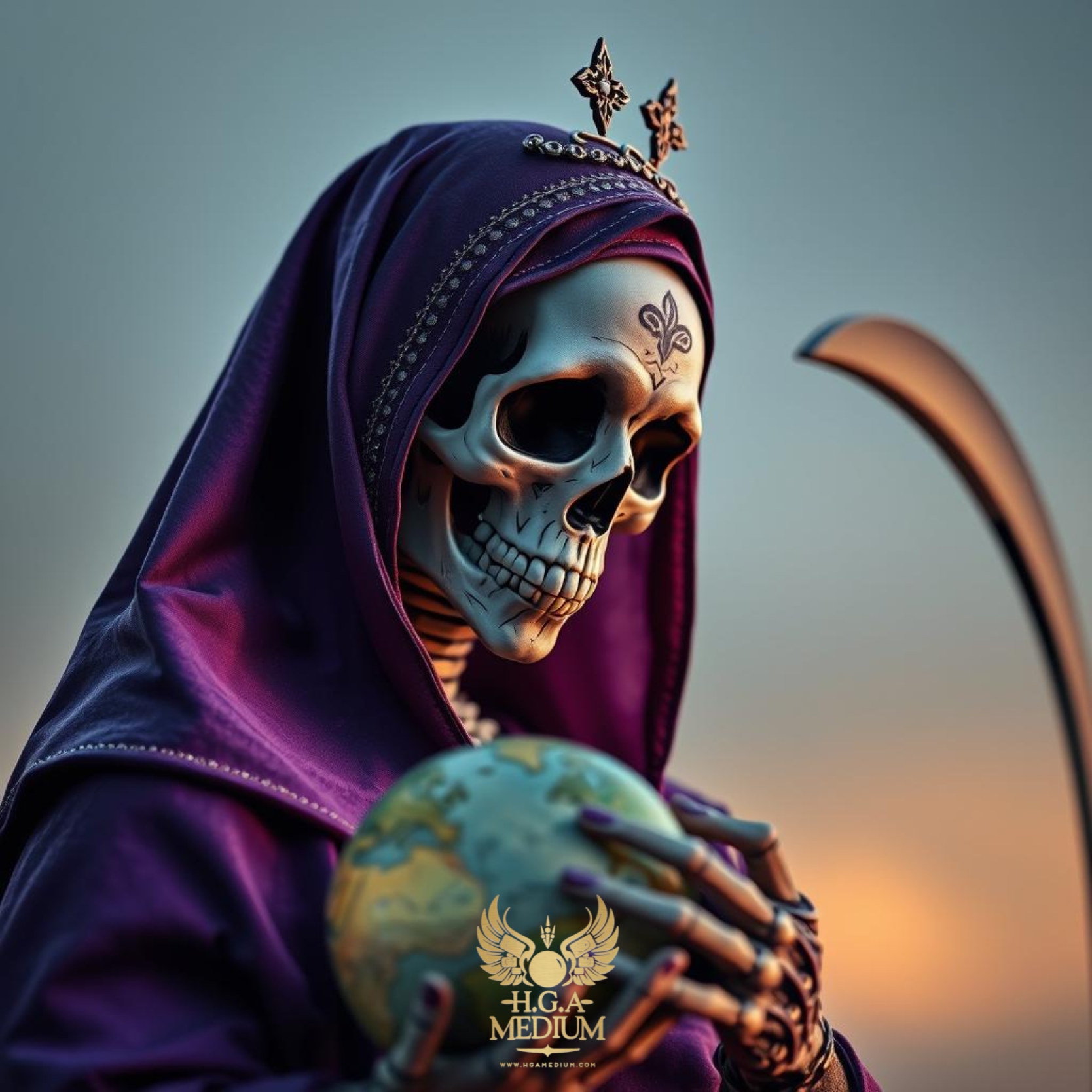

The first image created by me depicts the power and history of Santa Muerte. Holding a globe lovingly with great care, she is a grand overseer with supreme powers granted by the forces above as well as below. She is necessity for creation and offers love in the same fashion of the Creator. The second image was taken from the website atlas obscura which featured a temple and store dedicated to Santa Muerte called Templo Santa Muerte. https://www.atlasobscura.com/places/templo-santa-muerte. Visit their website! https://www.templosantamuerte.com
Our Lady of Holy Death is one of the most famous figures from Mexico. Known throughout the Americas and around the world, Santa Muerte is personification of the power of belief as well as proof of the afterlife offering guidance. She is feared and faces much scrutiny due to her appearance as well as her primary role. Associated with healing, magic and protection she is being who can captivate anyone and is always treated with the same esteem as the saints or the gods. Her origins stem from from many sources stemming from the Aztec goddess of death known as Mictlancihuatl to the likeness of La Calavera Catrina “The Dapper Skull Catrina” created by printer and lithographer Jose Guadalupe Posada.
As she can ensure safe passage and grant prevention of death, she is a being that is revered and reminds all to appreciate life. Denounced by the Catholic Church, she is perspective or side of the divine that wouldn’t frown or judge harshly in the way one would think of the Divine Realm stereotypically. She can wear so many different color shrouds and you can call on her for anything. All that is asked from her is your respect and if you chose to become a devotee or a follower, it is asked you remain genuine. If you have found yourself drawn to her, you have the greater understanding of life on Earth than others and honor the sacrifices others have made on your behalf for your existence.

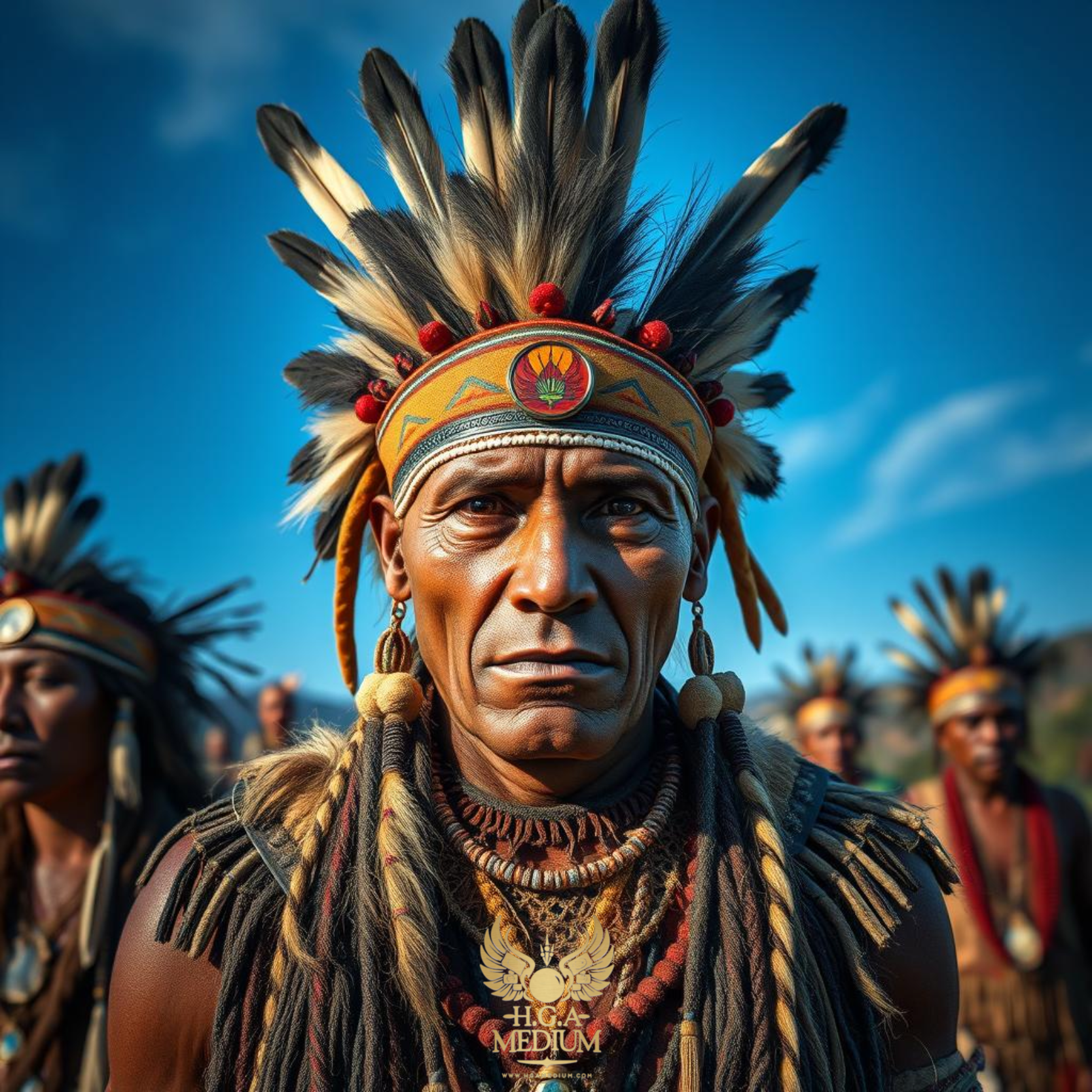


As mentioned earlier on this page in regard to the formation of the religions native to the Caribbeans and Latin America, prior to the European settlers arriving to these lands were the faiths of the original occupants. There are no doubts in regard to the Indigenous practices and beliefs that have influenced or had became apart of the religions mentioned here on this page. The Indigenous tribes who have great correlations with Brujeria, Vodou, Vudu and many more faiths are the Taínos, Arawaks, Carib, Ciboney, Aztec, Maya and Guaraini. Know there are a large number of tribes I have not listed on this page in which their customs and tradition can be found in the faiths mentioned as well as other eclectic traditions. They also have influenced the other West-African derived religions such as Santeria (Cuban), Obeah (Jamaican) and a multitude of other distinct paths. There is a large reclamation for these indigenous faiths and practices which is a beautiful moment in history being witnessed by all.
Hinduism and Buddhism history in the Caribbeans and Latin America originates from relationships with the country of India and Great Britain. In the 18th and 19th century through endured servitude (indentured servants), many groups of citizens from India had arrived to the Caribbean (West Indies) to assist within the work force. 500,000 thousands Indians were sent to these islands to work in agriculture and had altered the populaces. The Indians had undoubtedly brought their faiths with them and naturally the people as well as their religions had reached all of the Caribbeans. The islands are all relatively close to one another and primarily you still can find large populaces of the descendants of the Indians who had arrived in the 18th and 19th century in Jamaica, Trinidad and Tobago, Guyana, Grenada and many more. The largest Buddhist temple in Latin America exists in the country of Brazil and serves as an indicator of Tibetan Buddhism being practiced in Latin America as well!
If you have any questions pertaining to any of faiths and content featured on this page, do not hesitate to contact me!

 H.G.A Medium